Why sports and structured programs matter for kids in Krasnoyarsk
Sport and organized educational activities give children more than physical fitness — they build resilience, social skills, self-discipline and a love of learning. In Krasnoyarsk’s continental climate, parents can choose year-round indoor programs in winter and outdoor, nature-rich activities in summer along the Yenisei and surrounding forests. Combining sports, educational clubs and healthy parenting creates balanced growth.
Choosing the right sports for your child
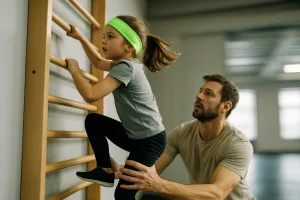
— Start with play: for toddlers, free play, running, climbing and swimming with a parent are ideal.
— Age-appropriate suggestions:
— 2–5 years: general movement classes, basic gymnastics, parent-child swimming.
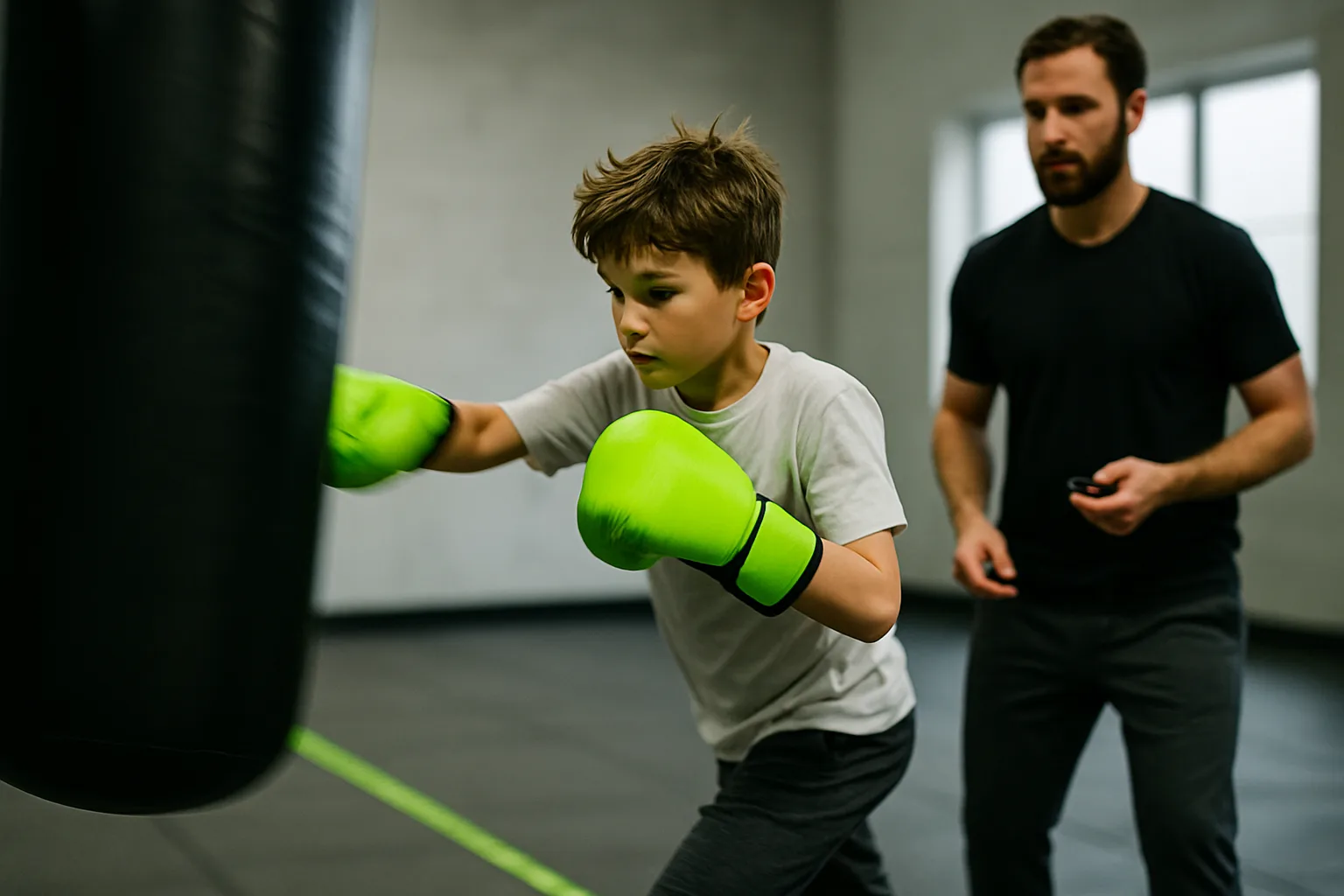
— 5–8 years: swimming, gymnastics, skating, martial arts (focus on discipline and coordination).
— 8–12 years: team sports (football, basketball), athletics, tennis — good for social development.
— 13+: more specialized training, strength and conditioning, competitive or recreational sport depending on motivation.
— How to decide:
— Let the child try multiple activities for short periods.
— Watch for enjoyment, persistence and coach interaction.
— Prioritize fun and skill-building over early specialization.
Finding trusted local programs in Krasnoyarsk
— Look for municipal youth sports schools (ДЮСШ), community centers and school-based sections — they often have certified coaches and affordable fees.
— Check universities, cultural centers and libraries for after-school clubs, language or STEM programs.
— Use local parent groups on VK, Telegram and school parent committees to get real reviews.
— Verify basics before enrolling:
— Coach qualifications and background checks.
— Group size and adult-to-child ratio.
— Medical and emergency procedures.
— Insurance and written consent forms.
Summer camp choices and what to look for
Types to consider:
— Day camps — convenient, lower cost, flexible for work schedules.
— Overnight/residential camps — immersive: sports, language immersion, leadership, or arts.
— Sports-specific camps — intensive skills development.
— Nature/ecology camps — hiking, river activities, survival basics (great near Krasnoyarsk’s forests).
Questions to ask camp organizers:
— What is staff training and ratio?
— What medical support is available? Are there staff trained in first aid?
— How are food allergies and dietary needs handled?
— What safety rules exist for water activities and hiking?
— Can you see the daily schedule and sample activities?
Camp packing checklist (summer):
— Comfortable sports clothing, water bottle, sun hat, sunscreen, insect repellent.
— Closed-toe shoes and sandals, lightweight rain jacket.
— Spare clothes, swimwear and quick-dry towel.
— Any medications with clear instructions; copy of medical insurance and emergency contacts.
— Label everything with your child’s name.
Educational programs that boost development
— STEM/robotics clubs — encourage problem-solving and creativity.
— Foreign language immersion — valuable for future study and travel.
— Arts and music programs — enhance fine motor skills and emotional expression.
— Leadership and community service programs — build responsibility and social awareness.
— How to choose: balance academic enrichment with free time; prefer programs that emphasize hands-on, project-based learning.
Health and safety — local considerations for Krasnoyarsk
— Seasonal adjustments:
— Winter: focus on indoor activities, ensure proper layering, and monitor for vitamin D deficiency — consult your pediatrician.
— Summer: protect from sun and insects during outdoor camps and sessions; prioritize hydration.
— Nutrition: provide balanced meals with proteins, whole grains, vegetables, fruits and healthy fats to support growth and recovery.
— Sleep: keep age-appropriate sleep schedules (e.g., 9–12 hours for school-aged children).
— Injury prevention: warm-up routines, age-appropriate training loads, rest days and proper equipment (helmets, pads, well-fitting shoes).
— Vaccinations and health checks: ensure regular pediatric check-ups before starting intensive training or camps.
Parenting tips to support development through sport and programs
— Focus on effort, not just results: praise consistency, teamwork and attitude.
— Keep routines: consistent sleep, meals and practice times help performance and mood.
— Avoid overscheduling: leave blocks of unstructured time for creativity and rest.
— Model healthy behavior: be active with your child — family walks, bike rides, or weekend sport.
— Communicate: ask open questions about lessons learned, friendships and what your child enjoyed.
— Encourage autonomy: let children choose activities they like, within reasonable limits.
Balancing academics, sport and downtime
— Create a weekly plan that includes schoolwork blocks, training, rest and family time.
— Use short, focused homework sessions after light physical activity — movement can improve concentration.
— Monitor signs of burnout: persistent fatigue, loss of interest, declining school performance or mood changes — reduce load and consult coaches/teachers.
Quick checklist for enrolling in a new program
— Observe a session first (if possible).
— Meet the coach/instructor.
— Review safety and emergency protocols.
— Confirm insurance and medical consent procedures.
— Start with a trial period before committing long-term.
Final thoughts
Krasnoyarsk offers unique opportunities — from indoor sports in cold months to nature-rich summer experiences near the Yenisei. Thoughtful choices of sports, camps and educational programs combined with supportive parenting will help your child grow physically, emotionally and socially. Start small, stay involved, and prioritize joy and health above trophies.
If you’d like, I can:
— Draft a sample weekly schedule for your child’s age and interests.
— Create a checklist of questions to ask specific local clubs or camps.