Growing Strong in Krasnoyarsk: A Practical Guide to Children’s Sports, Development, Camps and Health
Raising an active, resilient child in Krasnoyarsk means combining the region’s rich sports culture and nature with smart parenting, safe programs, and attention to health. This guide gives practical advice for choosing sports and educational programs, preparing for summer camps, and supporting your child’s physical and personal development.
Why sports and structured activities matter
— Improve physical health: strength, coordination, cardiovascular fitness.
— Build soft skills: teamwork, discipline, goal-setting, emotional regulation.
— Support cognitive development: focus, planning, problem-solving.
— Create social bonds and a sense of belonging—especially valuable in school years.
Popular sports and activities to consider in Krasnoyarsk
— Winter sports: cross-country skiing, biathlon, figure skating, hockey — take advantage of long winters and nearby trails.
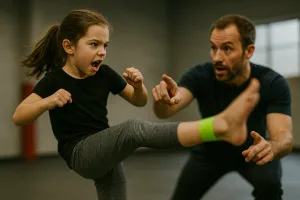
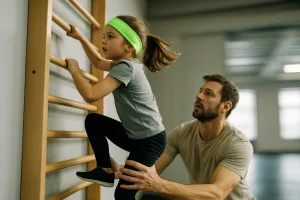
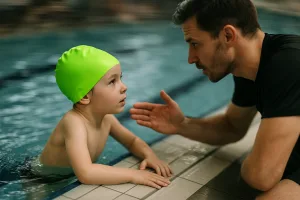
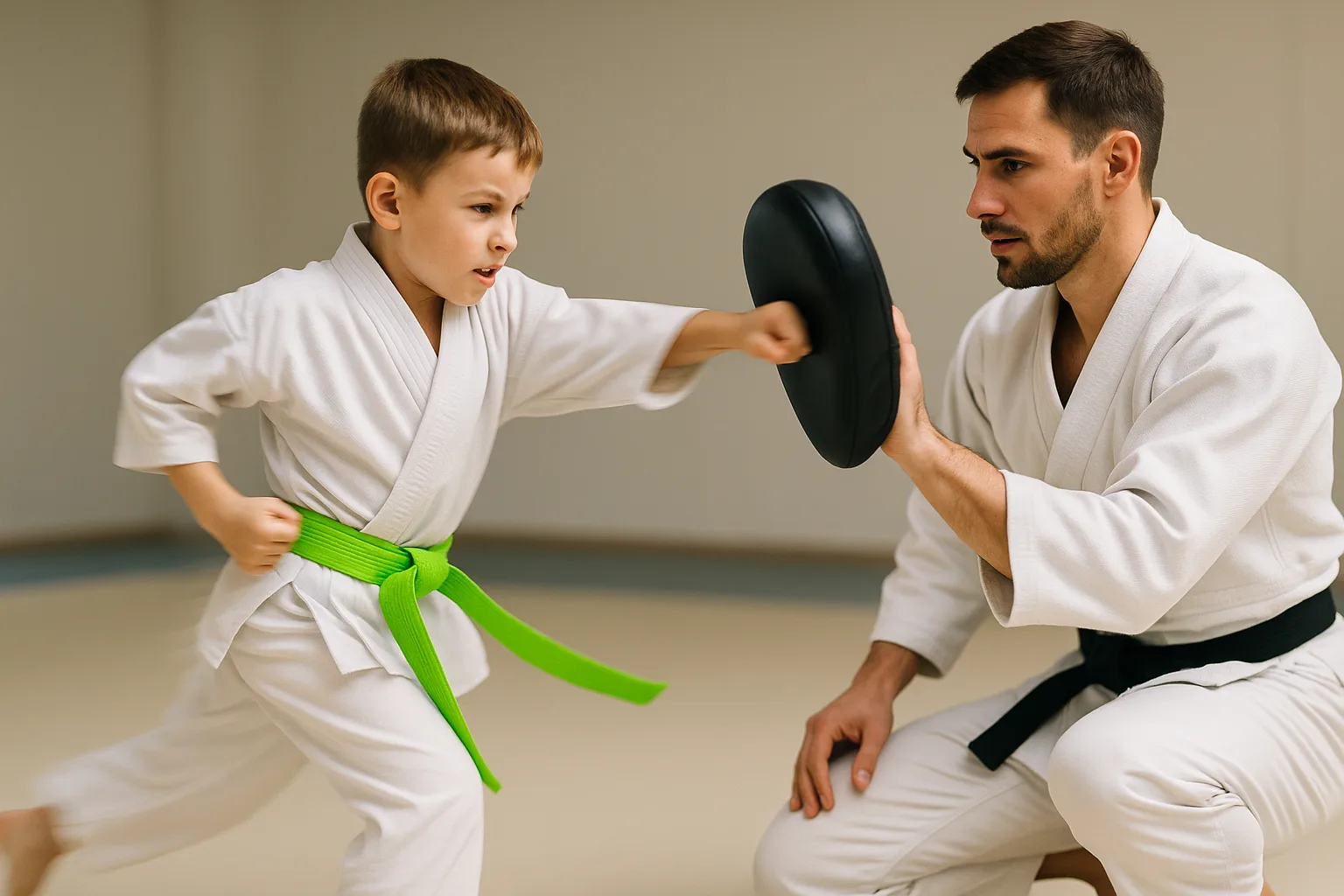
— Year-round options: swimming, gymnastics, martial arts (judo, taekwondo), athletics, football (soccer).
— Outdoor and adventure: orienteering, hiking, mountain biking — great for weekends and summer.
— Creative and cognitive: chess, robotics, academic clubs — support balanced development.
Choose based on your child’s interests, temperament, and any physical considerations.
How to choose the right program or coach
— Observe a session first: does the coach communicate clearly and respectfully? Is the environment safe and engaging?
— Look for age-appropriate instruction: focus on fundamentals, play, and fun for younger kids; technique and strategy for older children.
— Check credentials: ask about coach experience, first aid training, and program certification (municipal DYuSSh or private academies).
— Ask about class size and progression plans: small groups and clear skill milestones are preferable.
— Trial period: use short-term trials to see if it’s a good fit.
Parenting tips to support sports and personal growth
— Prioritize fun and effort over trophies; praise persistence and improvement.
— Model healthy habits: active weekends, balanced meals, and consistent sleep.
— Keep communication open: ask what they enjoy or dislike about activities.
— Avoid overscheduling: one or two focused activities plus free play is often enough for younger children.
— Teach resilience: let them experience setbacks with guided reflection (“What can we learn?”).
— Balance autonomy and support: encourage self-directed practice while providing structure.
Educational programs and summer camps — choosing wisely
— Types to look for: sports camps, nature camps, language + activity programs, STEM/creative camps.
— Safety and staff ratios: verify staff-to-child ratios, background checks, and medical protocols.
— Program goals: ensure camps emphasize learning, socialization, and well-being—not only performance.
— Location and logistics: consider travel time in Krasnoyarsk’s seasons; proximity matters for younger kids.
— Read reviews and ask other parents in local communities or social media groups for recommendations.
— Plan early: popular camps fill fast, especially those offering outdoor programs in scenic areas outside the city.
Health, nutrition and cold-weather care
— Nutrition basics: balanced meals with protein, whole grains, fruits/vegetables, and healthy fats. Hydration matters even in cold weather.
— Sleep: maintain age-appropriate sleep times—essential for recovery and learning.
— Injury prevention: warm-ups, gradual load increases, cross-training to avoid overuse. Seek a prompt medical evaluation for sprains, persistent pain, or concussions.
— Cold-weather tips: layer clothing, protect extremities, limit exposure during extreme cold, and ensure footwear provides traction.
— Illness and training: follow local health guidance; keep children home when contagious and resume activity gradually after illness.
Practical checklist for summer camp or sports season
— Documents: registration, medical form, emergency contacts, permission slips.
— Medical kit: prescribed meds (labeled), basic first-aid items, blister prevention.
— Clothing: moisture-wicking layers, spare clothes, sun hat and sunscreen, insect repellent for outdoor camps.
— Gear: sport-specific items (skates, helmet, swimsuit), properly fitted shoes.
— Home routine: brief “debrief” nightly — what they learned, who they met, any worries.
Sample weekly routine (ages 7–12)
— Monday: School + light homework; 45–60 min sports practice (skill focus).
— Tuesday: School; free play or family active evening (walk, bike).
— Wednesday: School; cross-training (swim or gymnastics) to vary load.
— Thursday: School; team practice or lesson.
— Friday: School; rest or gentle activity.
— Weekend: One competitive/game day or outdoor family hike + recovery and hobbies.
Adjust intensity and rest based on the child’s energy and school demands.
Tracking progress without pressure
— Set small, measurable goals (e.g., improve endurance, learn a new skill) and celebrate milestones.
— Use a simple journal or sticker chart for motivation, focusing on effort and learning.
— Reassess every season: is the child happy? Is the workload sustainable? Are they progressing physically and emotionally?
Getting involved in the Krasnoyarsk community
— Visit municipal sports schools (ДЮСШ), local community centers, and university-affiliated programs to learn options and schedules.
— Attend local competitions or club open days to observe atmosphere and meet other parents.
— Volunteer occasionally — great way to model community values and stay informed.
Final notes
Raising a well-rounded, healthy child in Krasnoyarsk blends local outdoor advantages with informed choices about sports, camps, and education. Focus on enjoyment, safety, and gradual skill-building, and your child will gain lifelong benefits: fitness, confidence, and social skills.
If you want, I can:
— Suggest age-appropriate sports for a specific child (age, interests).
— Draft a packing list tailored to a particular camp type (sports, nature, urban day camp).
— Create a month-long beginner training plan for a chosen sport.