Introduction
Raising active, resilient children in Krasnoyarsk means combining local opportunities — from winter rinks to forest trails — with smart parenting and balanced education. This guide brings together practical tips on children’s sports, personal development, parenting strategies, educational programs, summer camps, and health considerations specific to Krasnoyarsk families.
Why local context matters
Krasnoyarsk offers unique advantages and seasonal challenges:
— Long, cold winters: ideal for skating, hockey, skiing, and indoor activities.
— Mild—sometimes mosquito-heavy—summers with great access to nature (Yenisei River, Stolby Reserve).
— Urban sports infrastructure: municipal youth sports schools, pools, and clubs.
— Occasional air-quality issues (industrial emissions or wood-burning smoke) — adapt outdoor plans accordingly.
Choosing the right sport for your child
Consider age, temperament, and goals rather than trends.
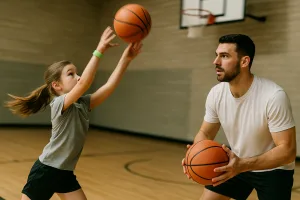
— Ages 3–6: emphasize play-based movement — gymnastics, basic swimming, dance, and family hikes.
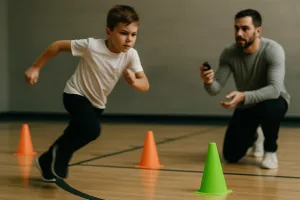
— Ages 7–10: introduce structured classes — skating, cross-country skiing, football, martial arts, team sports.
— Ages 11+: focus on specialization only if your child enjoys and copes well with training.
Selection tips:
— Try multiple activities with trial classes.
— Prioritize enjoyment and skill-building over early specialization.
— Look for qualified coaches and safe facilities (check certifications and reviews).
Developing character through sport
Sports build more than fitness — they teach persistence, teamwork, and goal-setting.
— Emphasize effort: praise *process* (practice, focus), not just results.
— Teach reflection: after competitions, discuss what went well and what to improve.
— Encourage leadership: short responsibilities (team warm-ups, organizing gear) build confidence.
Parenting tips that support growth
Small daily habits make big differences.
— Establish routines: consistent sleep, meals, and study times.
— Limit screens: set clear boundaries; use tech as reward or learning tool.
— Model behavior: kids mirror parents’ activity habits and emotional responses.
— Communication: ask open-ended questions about their day, feelings, and friendships.
— Balance independence and support: let kids try, fail, and learn — step in when safety or well-being is at risk.
Educational programs — blending academics with life skills
Look for programs that develop curiosity and practical competencies.
— After-school clubs: robotics/STEAM, languages, creative writing, and music.
— Sports schools (ДЮСШ) and private academies: structured training with educational support.
— Summer study intensives: language immersion or science camps that combine learning with excursions.
— Online courses: useful when weather or logistics limit in-person options.
Choosing a program:
— Check instructor qualifications and group size.
— Ask about progress tracking and how parents are informed.
— Prioritize programs that teach teamwork, problem-solving, and communication.
Summer camps in and around Krasnoyarsk
Options and tips for a safe, enriching summer:
Types of camps:
— Day camps: convenient, lower cost, good for younger children.
— Overnight camps: immersive experiences, often near forests or lakes.
— Sports camps: hockey, football, swimming, climbing.
— Themed camps: language immersion, ecology, STEM.
Safety and selection checklist:
— Accreditation/permits and staff-to-child ratio.
— First-aid trained staff and clear medical protocols.
— Clear daily schedule and emergency procedures.
— Positive reviews from local parents.
Packing essentials:
— Season-appropriate clothing (layers for Krasnoyarsk), sturdy shoes.
— Sunblock, insect repellent (summer), warm hat and gloves (early/late season).
— Reusable water bottle, small personal first-aid items, any prescribed meds with instructions.
— Comfortable backpack and name labels on belongings.
Health and safety — practical local advice
Keep kids healthy through prevention and preparation.
— Routine care: regular pediatric check-ups, dental visits, and vision screenings.
— Injury prevention: proper warm-ups, protective gear for skating/hockey/cycling.
— Respiratory awareness: on days with poor air quality, favor indoor activities; use masks if advised.
— Water safety: supervise near the Yenisei and lakes; check local lifeguard availability.
— Nutrition: balanced meals with whole grains, vegetables, proteins; hydrate, especially in activity-heavy months.
— Sleep: school-age children need consistent, age-appropriate sleep times for recovery and learning.
When to seek medical attention:
— Concussion symptoms after head impact, persistent high fever, breathing difficulty, or signs of dehydration — consult a doctor promptly.
— For sports injuries, see a pediatrician or sports medicine specialist before returning to full activity.
Weekly sample schedule (school season)
A balanced template to combine school, sport, rest, and family time.
— Monday–Friday:
— Morning: healthy breakfast + walk/short active warm-up
— School day
— Afternoon: one structured activity (40–90 min) — sport or club
— Evening: homework, family dinner, 30–45 min free play or reading
— Bedtime routine for age-appropriate sleep
— Weekend:
— Outdoor family activity (hike to Stolby, skating, river walk)
— One organized session (match, swim lesson) and rest time
Supporting motivation and avoiding burnout
Signs of burnout: fatigue, irritability, declining interest, or declining performance.
— Keep communication open — check why they want to continue.
— Reduce intensity or switch activities temporarily.
— Ensure variety: alternate high-intensity training with playful, low-pressure sessions.
Final checklist for Krasnoyarsk parents
— Schedule trial classes to find the right fit.
— Confirm safety and insurance details for camps or clubs.
— Build daily routines that include physical activity, sleep, and nutritious meals.
— Use local nature and winter sports to your advantage while monitoring weather and air quality.
— Prioritize joy, learning, and long-term development over short-term wins.
Conclusion
Raising healthy, confident children in Krasnoyarsk is about combining local resources — winter rinks, forests, and clubs — with thoughtful parenting: consistent routines, supportive coaching, and well-chosen educational and camp experiences. Focus on enjoyment, skill development, and health, and you’ll help your child grow into a resilient, curious person ready for life’s challenges.