Why sports, camps and educational programs matter
Summer in Krasnoyarsk — with the Yenisei’s beaches, nearby forests and Stolby Nature Reserve — is a perfect time for children to grow physically, mentally and socially. Participation in sports and structured programs builds strength and coordination, teaches teamwork and resilience, and gives kids safe opportunities to explore independence under adult supervision.
Benefits of children’s sports and outdoor programs
— Physical health: improved cardiovascular fitness, motor skills, balance and immune resilience.
— Personal development: goal-setting, perseverance, leadership and self-esteem.
— Social skills: cooperation, conflict resolution, empathy.
— Mental well‑being: reduced anxiety and better sleep from regular activity and outdoor time.
— Exposure to new interests: discovery of talents that can become long-term hobbies or careers.
What works best by age (practical suggestions)
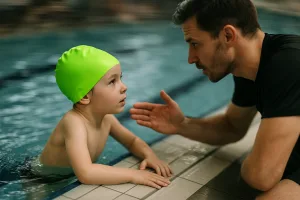
— Ages 3–5: play-based movement — gymnastics, parent-child swimming, general motor-skill classes.
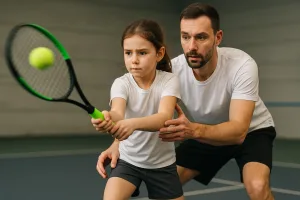
— Ages 6–9: team sports (soccer, basketball), beginner martial arts, skating, short hiking trips.
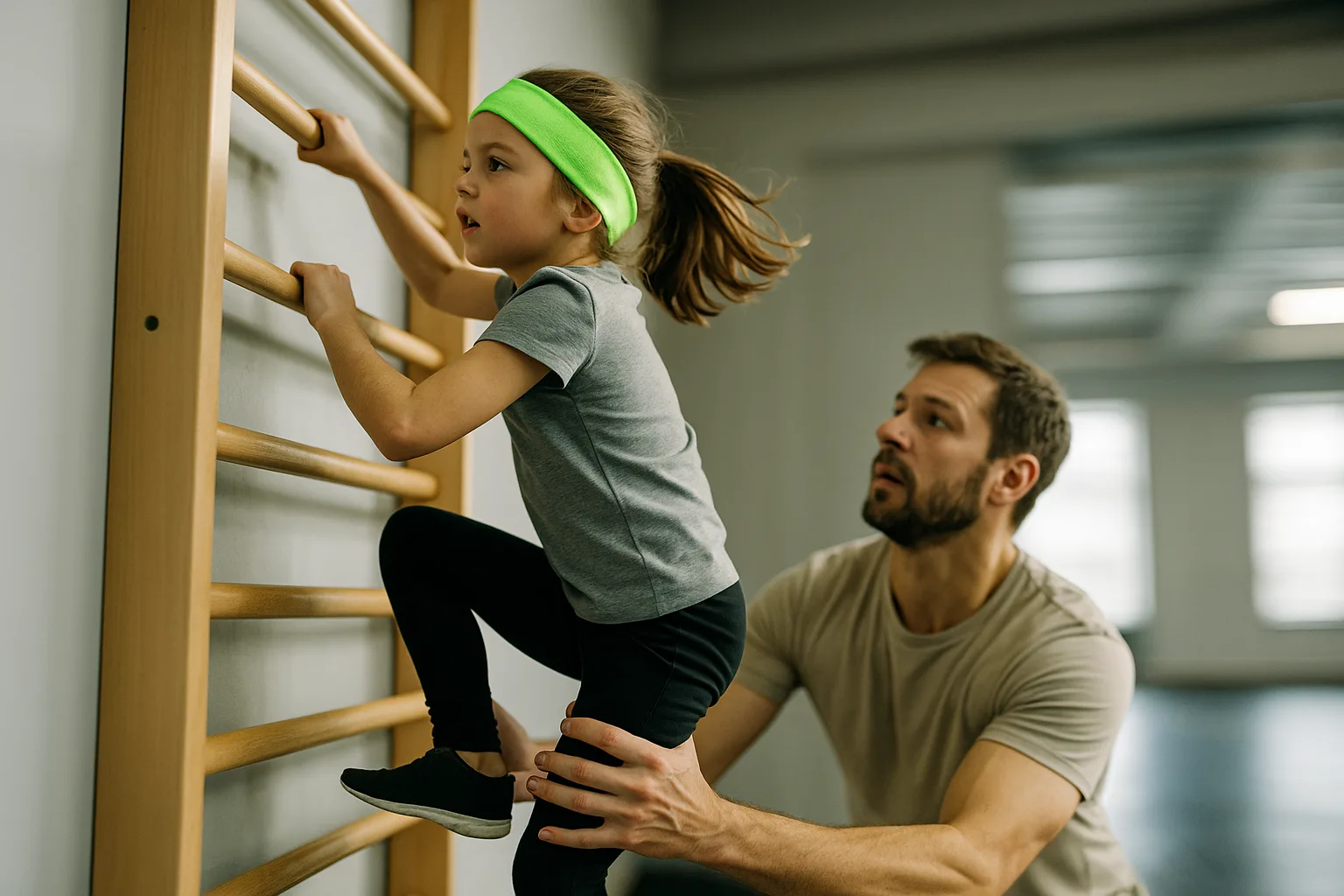
— Ages 10–14: more structured training — athletics, climbing, canoeing/kayak basics, specialized camps (robotics, language intensives).
— 15+: sport specialization only if the child wants it; otherwise focus on balanced training, leadership roles (team captain, junior coach), and vocational/academic summer schools.
Choosing local programs in Krasnoyarsk
Look for programs that emphasize safety, qualified coaches, and development (not just competition). In Krasnoyarsk, options typically include:
— Municipal children’s sports schools (DYuSSh) and youth centers — good for affordable, regular training.
— Private sports clubs — often offer trial sessions and focused coaching (swimming, skating, martial arts).
— Nature and adventure programs near Stolby and along the Yenisei — great for hiking, orienteering, and ecology education.
— University or cultural centers — language camps, STEM workshops and arts programs with academic enrichment.
When evaluating: ask about coach credentials, child-to-coach ratios, emergency procedures, and previous participant reviews.
Summer camps: types and how to pick
Types of camps:
— Day camps (city-based): convenient for daily return; mix of sports, crafts, and excursions.
— Residential nature camps: immersive outdoor experience with hiking, team challenges and ecology classes.
— Sports-focused camps: intensive training in one discipline with skill-building and tournaments.
— Educational camps: STEM, robotics, coding, languages or creative arts taught by teachers or university instructors.
How to choose:
— Match the camp’s focus with your child’s interests and energy level.
— Confirm accreditation, health and safety protocols, staff background checks, and discipline policies.
— Prefer camps that offer trial days or clear communication channels for parents.
Health and safety — what parents must prioritize
— Medical checkup: visit your pediatrician before summer programs. Ensure routine vaccinations are current and discuss region-specific risks (e.g., tick-borne infections).
— Allergies & medication: inform staff in writing about allergies, asthma or chronic conditions. Provide labeled medications with instructions.
— Hydration & nutrition: pack water bottles, encourage regular sips, and choose camps that offer balanced meals or provide guidance on lunch packing.
— Sun & insect protection: sunscreen (SPF 30+), broad-brim hats, and child-safe insect repellent. In forested areas do regular tick checks after outdoor days.
— Safety gear: life jackets for water activities, helmets for cycling/skating/climbing, and properly fitted sports footwear.
— Emergency plan: make sure the program has first aid, clear emergency contacts, and a way to quickly reach you.
Parenting tips to support growth (without pressure)
— Focus on effort, not only results: praise persistence and learning from mistakes.
— Involve kids in decisions: let them try different activities and choose favorites. This increases motivation and responsibility.
— Balance activity with rest: avoid over-scheduling — kids need downtime and quality family time.
— Encourage a growth mindset: frame challenges as opportunities to improve.
— Model healthy habits: regular sleep, nutritious meals, and active weekends along the Yenisei or in local parks.
— Teach safety and independence: basic first aid, how to use public transport to get to activities (if age-appropriate), and what to do if separated from the group.
Practical checklist for camp or sports start
— Medical note/health declaration from pediatrician (if required)
— Up-to-date vaccinations and any required permissions
— Packed bag: layers for changing weather, rain jacket, comfortable shoes, hat, sunscreen, insect repellent, water bottle, spare socks, small towel
— Label everything with your child’s name
— Written allergy/med instructions and emergency contact card
— Small comfort item for younger kids (if allowed)
— Consent forms, photos (if needed), and local emergency numbers
Using Krasnoyarsk’s natural advantages safely
— Make the most of local nature: organized hikes to Stolby, river