Introduction
Krasnoyarsk’s rich nature, varied seasons and active community create excellent conditions for children’s sports and personal growth. This guide gives practical advice for parents on choosing sports, educational programs and summer camps, plus health and parenting tips tailored to Krasnoyarsk families.
Why sports and organized activities matter
— Build physical health: strength, coordination, cardiovascular fitness.
— Support mental health: reduced anxiety, improved mood, better sleep.
— Teach social skills: teamwork, communication, conflict resolution.
— Encourage life skills: discipline, goal-setting, resilience.
Choosing the right sport by age and temperament
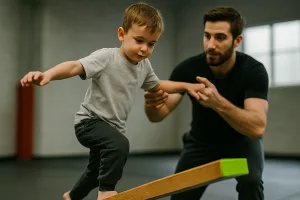
— 3–6 years: basic movement, balance and fun — gymnastics, swimming (basic water safety), play-based multisport classes.
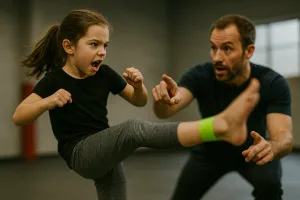
— 7–12 years: skill development and social play — football (soccer), skating/ice hockey, skiing, martial arts, swimming, athletics.
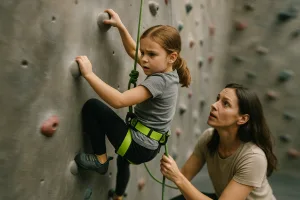
— 13–17 years: specialization and leadership — competitive teams, climbing, rowing, weight training with supervision, or individual sports for focus (tennis, athletics).
— Consider temperament: team sports for social kids; individual sports for focused, independent children.
Krasnoyarsk-specific sport ideas
— Winter sports: skating, cross-country skiing, hockey — use the embankment and local ice rinks.
— Mountain/outdoor: hiking and basic climbing near Stolby National Reserve (organized, guided groups recommended).
— Water: supervised swimming pools for stroke development and rescue skills.
— Year-round options: gymnastics clubs, martial arts dojos, youth sports schools (ДЮСШ).
Selecting a quality sports program or school
Checklist:
— Qualified, background-checked coaches and first-aid training.
— Age-appropriate curriculum and progressive skill plans.
— Safety standards and equipment in good condition.
— Clear communication with parents (progress reports, behavioural policies).
— Reasonable coach-to-child ratio.
— Trial session available.
Summer camp options and how to choose
Types:
— Sports camps (skill focus), nature/outdoor camps (hiking, survival skills), language immersion, STEM/robotics, arts and theatre, day camps.
Selection tips:
— Book early — popular camps fill fast (reserve 2–6 months ahead).
— Inspect staff qualifications, medical and emergency procedures, and insurance.
— Look for a balanced daily schedule: activity blocks, rest, healthy meals.
— Verify camper age groups and group sizes.
— Ask for references or parent reviews; visit the camp if possible.
Sample timeline for camp selection:
— 3–6 months before: research options, shortlist.
— 1–3 months: attend info sessions, secure documents, vaccinations if required.
— 2 weeks before: provide medical forms, discuss dietary/allergy needs with staff.
Educational programs beyond sports
— After-school clubs: robotics, coding, language courses, music and theatre.
— Tutoring and enrichment: math and literacy support, project-based learning centers.
— Volunteer and leadership programs for teens through schools and municipal youth centers.
— Check local community centers, universities and municipal youth departments for schedules and scholarships.
Health and safety — local considerations
— Cold climate tips: dress in layers, breathable fabrics, proper footwear, warm-up before outdoor activity.
— Vitamin D: consider discussing supplementation with your pediatrician, especially in long winter months.
— Injury prevention: proper warm-ups, technique coaching, protective gear (helmets, pads), rest days.
— Hydration and nutrition: balanced meals with proteins, whole grains and vegetables; pack nutrient-dense snacks for long activity days.
— Sun and snow: UV reflection from snow increases sun exposure — use sunscreen on exposed skin in winter and summer.
— Illness policies: confirm camp and club sick policies and emergency contacts.
Parenting tips to support development
— Let children choose and trial activities — interest matters more than parent preference.
— Set realistic goals together; celebrate progress, not only wins.
— Use positive reinforcement and avoid pressuring for performance.
— Model an active lifestyle — family walks, skiing or weekend hikes along the Yenisei embankment.
— Keep routines: consistent sleep, balanced screen time, and set days for rest.
— Communicate with coaches and teachers — be a supportive partner in your child’s development.
Sample weekly routine (school-age child)
— Mon: After-school homework + 60 min swimming lesson
— Tue: Free play / family walk + light stretching
— Wed: Team practice (football or hockey) + nutritious dinner
— Thu: Arts or language club + screen-free reading time
— Fri: Strength/mobility session (bodyweight) + social time with friends
— Sat: Outdoor family hike or skating session on the embankment
— Sun: Rest and unstructured play
Practical next steps for Krasnoyarsk parents
— Visit local municipal sports schools (ДЮСШ) and community centers to learn schedules and trials.
— Talk to your pediatrician about activity plans and any health considerations.
— Join local parent groups or social media communities to get recommendations and up-to-date reviews of programs.
— Register early for summer camps and seasonal sports to secure spots.
Conclusion
Krasnoyarsk offers a unique mix of nature and community resources that can help shape confident, healthy kids. By choosing age-appropriate activities, prioritizing safety and health, and supporting your child with positive parenting, you’ll give them tools for success on and off the field.
If you’d like, I can help you:
— draft questions to ask a coach or camp director,
— create an age-tailored weekly program, or
— prepare a checklist for camp registration. Which would you