Introduction
Krasnoyarsk offers a unique environment for children’s sports and personal development: long winters for skiing and skating, the Yenisei River for summer water activities, and nearby natural classrooms like the Stolby Nature Reserve. With the right choices—sports clubs, educational programs, and thoughtful parenting—children here can grow stronger, more resilient, and more curious about the world.
Why sports matter for children
— Physical benefits: endurance, coordination, bone and muscle development.
— Mental benefits: improved concentration, stress relief, better sleep.
— Social benefits: teamwork, leadership, conflict resolution.
— Personal development: discipline, goal-setting, self-esteem.
Choosing the right sport by age
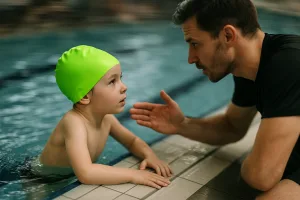
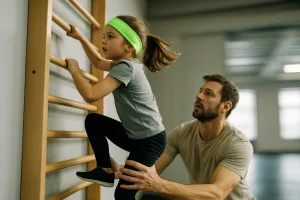
— Ages 3–5: focus on fun, gross motor skills, balance — play-based gymnastics, swimming basics, parent-and-child classes.
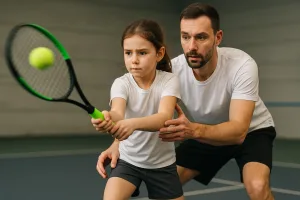
— Ages 6–9: introduce basic rules and teamwork — soccer, skating, martial arts, cross-country skiing in winter.
— Ages 10–13: skill refinement, multi-sport participation to avoid early specialization.
— Ages 14+: consider specialization if the child is motivated; emphasize injury prevention and academic balance.
Local options in Krasnoyarsk
— Municipal sports schools (ДЮСШ) and youth clubs for affordable, structured training.
— Pools, skating rinks, and ski tracks — year-round or seasonal opportunities.
— Martial arts and dance studios for coordination and discipline.
— Nature-based programs and eco-camps near Stolby for hiking, climbing and environmental education.
— Summer camps (day and residential) offering sports tracks, language or STEAM themes.
— Legacy sports facilities from recent major events (useful for organized programs and competitions).
Health and safety — practical guidance
— Dress for the Siberian climate: layers, breathable base layers, warm outerwear and proper footwear.
— Warm up and cool down: teach children routines to reduce injuries.
— Hydration and recovery: even in cold weather, encourage regular fluids and rest.
— Regular medical checks: annual pediatric and sports-physician screening before intensive training.
— Concussion awareness: know the signs and follow medical advice for head injuries.
— Vaccinations and hygiene: up-to-date immunizations and hand hygiene reduce illness at clubs and camps.
Nutrition basics for young athletes
— Balanced meals: carbs for energy, proteins for recovery, fats for growth, plus fruits and vegetables.
— Pre-training snacks: a small, carb-focused snack 30–60 minutes before activity (banana, porridge, toast).
— Post-training recovery: protein + carbs within 1 hour (cottage cheese, yogurt with fruit, sandwich).
— Avoid overuse of supplements without medical supervision.
Parenting tips to support young athletes
1. Prioritize fun and personal growth over trophies.
2. Encourage a multi-sport approach in early years to build all-round skills.
3. Set realistic goals together and celebrate progress, not just outcomes.
4. Keep open communication with coaches—ask about goals, training load, and injury prevention.
5. Manage screen time to protect sleep and recovery.
6. Teach responsibility: kit care, punctuality, and good sportsmanship.
7. Model healthy behavior: balanced eating, regular activity and positive attitude.
8. Watch for burnout: sudden drop in motivation or persistent fatigue needs attention.
9. Involve the family: active weekends, cheering at events, shared meal prep.
10. Seek professional help if you notice emotional stress or performance anxiety.
Choosing a summer camp or educational program
— Types of camps: sports-focused, language immersion, STEAM, eco-camps, day camps.
— Check safety: staff-to-child ratio, background checks, medical care on site.
— Accreditation and reviews: ask local parents, check municipality listings, and visit if possible.
— Program balance: look for structured activities plus free play and rest.
— Registration: popular camps fill early—register several months in advance for the best options.
Sample weekly schedule for a school-age athlete
— Monday: school, light homework, 60 min team practice (skill work), family dinner.
— Tuesday: school, tutoring or club, 30–45 min conditioning, early bedtime.
— Wednesday: school, game or match (if scheduled), active recovery session (stretching).
— Thursday: school, technique practice (small-group), free play outdoors.
— Friday: school, light activity, social time with teammates.
— Saturday: